





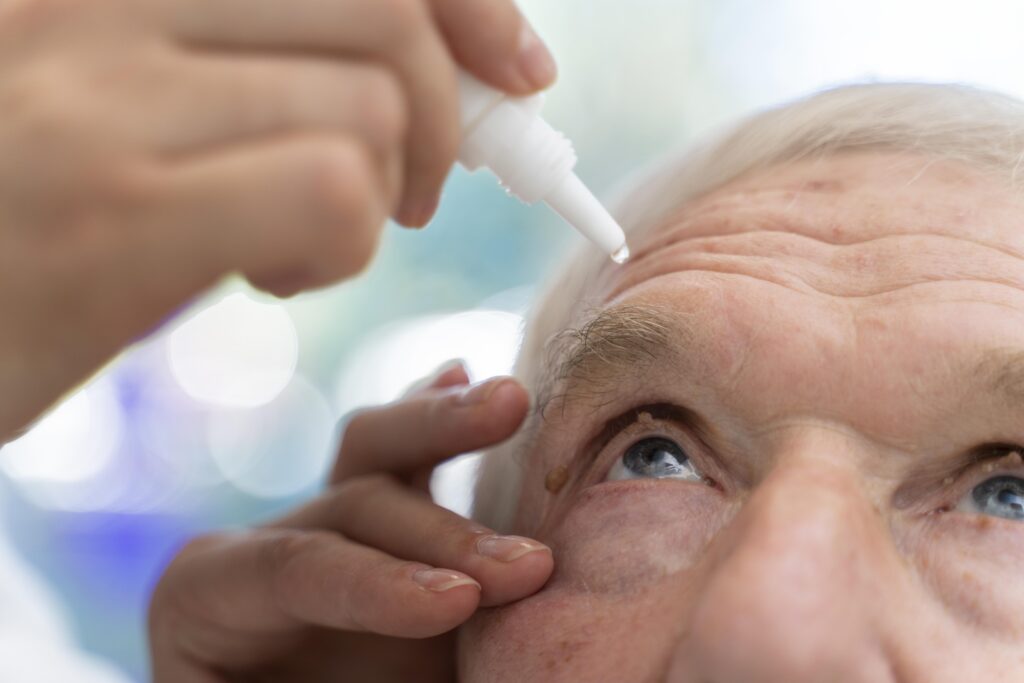
Summer often means more time outdoors, longer road trips, afternoons by the pool, and weekends at the beach. But if your eyes start feeling tired, irritated, or blurry before the day is over, they may be reacting to more than just the heat. Dry eye disease often becomes more noticeable during the summer because the season exposes your eyes to several conditions that make tears evaporate faster.
Quick Takeaways
- Dry eye can become more noticeable during summer, even if you don’t have symptoms year-round.
- Wind, sunshine, air conditioning, and screen time all contribute to tear evaporation.
- Watery eyes can actually be a sign of dry eye.
- Persistent irritation deserves a comprehensive eye examination.
- Effective treatment starts by identifying the underlying cause—not simply using more eye drops.
Why does summer put more stress on your eyes?
Your eyes rely on a thin layer of tears to stay smooth, healthy, and comfortable. During the summer, that protective layer has to work harder.
Think about a typical weekend in San Diego. You spend the morning walking along the coast, drive with the air conditioning on, enjoy lunch on an outdoor patio, then relax by the pool while checking your phone. Each of those activities exposes your eyes to conditions that reduce moisture. Individually they may not seem significant, but together they can leave your eyes feeling dry by the end of the day.
At Eye Care of San Diego, it’s common for patients to say their eyes feel fine during cooler months but become increasingly uncomfortable once summer arrives. Seasonal changes often reveal underlying dry eye disease that has been developing gradually over time.
Dry eyes don’t always feel “dry”
One of the biggest misconceptions about dry eye disease is that your eyes have to feel dry all the time.
Many patients actually complain about watery eyes, fluctuating vision, or feeling like something is stuck in their eye. Others notice they blink more often while driving or have trouble keeping their eyes open in bright sunlight. These are all common signs that the tear film is no longer protecting the surface of the eye properly.
Dry eye symptoms may include:
- Burning or stinging
- Red or irritated eyes
- Excessive tearing
- Blurry vision that comes and goes
- Sensitivity to sunlight
- Eye fatigue
- Difficulty wearing contact lenses
Because the symptoms vary from person to person, a comprehensive eye examination is the best way to determine what’s causing your discomfort.
What happens during a dry eye evaluation?
Many people are surprised to learn that diagnosing dry eye involves much more than asking about symptoms. Your ophthalmologist looks at the quality of your tears, the health of your eyelids, and the condition of the front surface of your eye to determine why your eyes are uncomfortable.
At Eye Care of San Diego, a comprehensive evaluation may include:
- Reviewing your symptoms, daily routine, and medical history
- Examining the tear film under magnification
- Checking for inflammation or damage to the cornea
- Evaluating the oil-producing meibomian glands in your eyelids
- Looking for other conditions that may be contributing to irritation, such as blepharitis or allergies
This detailed approach helps identify the root cause of your symptoms so your treatment plan is tailored to your needs instead of relying on trial and error.
Can dry eye be treated, or will I always have it?
Dry eye disease is usually a long-term condition, but it can often be managed successfully with the right combination of treatments. The goal is to improve the quality of your tears, reduce inflammation, and protect the surface of your eyes.
Depending on your diagnosis, your ophthalmologist may recommend:
| Treatment | How It Helps |
| Artificial tears | Provide temporary lubrication and comfort. |
| Prescription eye drops | Help reduce inflammation and improve natural tear production. |
| Warm compresses and eyelid hygiene | Improve the function of blocked oil glands. |
| Lifestyle adjustments | Reduce environmental triggers and improve tear stability. |
| In-office dry eye treatments | Address underlying gland dysfunction for longer-lasting relief when appropriate. |
No two patients experience dry eye the same way. Finding the right treatment starts with understanding what is causing your symptoms.
What can you do to keep your eyes comfortable this summer?
While you can’t control the weather, you can reduce many of the factors that make dry eye worse.
Simple habits can make a noticeable difference:
- Wear sunglasses that wrap around the sides of your face to reduce wind exposure.
- Drink plenty of water throughout the day to stay hydrated.
- Take regular breaks when using digital devices by following the 20-20-20 rule.
- Use lubricating eye drops before spending long periods outdoors if recommended by your eye doctor.
- Avoid directing fans or car air vents toward your face.
- Remove contact lenses if they become uncomfortable and follow your doctor’s recommendations.
Small adjustments like these help preserve your tear film and reduce irritation during the hottest months of the year.
Local Care for Dry Eye in San Diego
If your eyes feel irritated every time you head outdoors or your symptoms are becoming part of your daily routine, it may be time for a comprehensive eye evaluation. The clinical team at Eye Care of San Diego helps patients identify the cause of dry eye symptoms and recommends treatment options based on their individual needs.
With locations in Mission Hills, La Jolla, and Sorrento Valley convenient care is available throughout San Diego County.
Book an appointment or call (800) 765-2737.