





Sunlight is part of everyday life in Southern California, but too much ultraviolet (UV) exposure can damage your eyes. Pterygium and photokeratitis are two common UV-related eye conditions that affect people differently. Pterygium develops gradually as a growth on the eye’s surface, while photokeratitis is a sudden sunburn of the cornea. Although both conditions result from UV exposure, they have different symptoms, treatments, and recovery timelines. A comprehensive eye examination can determine which condition is affecting your vision and help you receive the appropriate care.
Quick Takeaways
- Pterygium is a non-cancerous growth on the white part of the eye that may extend onto the cornea.
- Photokeratitis is a temporary sunburn of the cornea caused by intense UV exposure.
- Both conditions are linked to UV rays but differ in how quickly symptoms develop.
- Wearing UV-blocking sunglasses and a wide-brimmed hat helps reduce your risk.
- Schedule an eye examination if redness, pain, blurred vision, or persistent irritation does not improve.
What Is the Difference Between Pterygium and Photokeratitis?
Although both conditions are associated with ultraviolet light exposure, they affect different parts of the eye and develop in different ways.
Pterygium
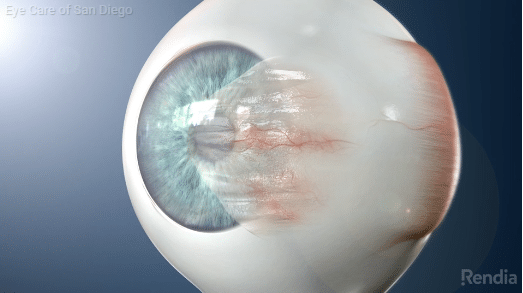
Develops slowly over months or years
A growth of tissue on the white of the eye
Often causes chronic irritation and redness
May eventually affect vision if it grows over the cornea
Severe cases may require surgery
Photokeratitis
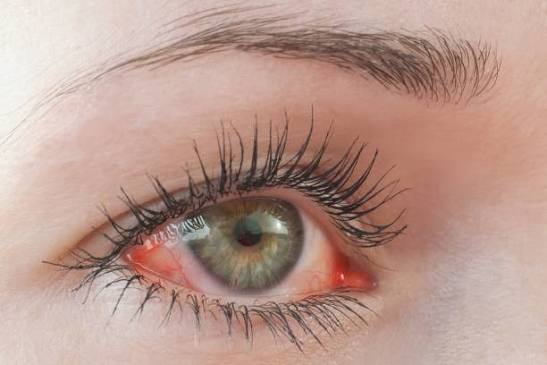
Appears within hours after intense UV exposure
A sunburn affecting the cornea
Causes sudden pain, tearing, and light sensitivity
Usually heals within 24–48 hours with proper treatment
Rarely requires surgery
At Eye Care of San Diego, patients often ask whether their red, irritated eye is caused by dry eye, allergies, or too much time in the sun. During UV Safety Month, these questions become even more common because many people spend more time outdoors hiking, surfing, golfing, boating, or enjoying San Diego’s beaches.
Recognizing the difference between these two conditions allows patients to seek care sooner and protect their long-term vision.
What Causes Pterygium and Photokeratitis?
Both conditions share one major risk factor: ultraviolet (UV) radiation from the sun.
According to the American Academy of Ophthalmology, long-term UV exposure increases the likelihood of developing pterygium, while intense UV exposure over a short period can cause photokeratitis.
What Causes Pterygium?
Pterygium develops after years of irritation from environmental factors such as:
- Sunlight and UV radiation
- Wind
- Dust
- Sand
- Dry climates
- Chronic eye irritation
The condition usually begins on the side of the eye closest to the nose and slowly extends toward the cornea.
What Causes Photokeratitis?
Photokeratitis develops after intense UV exposure over a short period. Common causes include:
- Spending long hours at the beach without UV-blocking sunglasses
- Skiing or snowboarding without eye protection
- Reflection from water or sand
- Welding without proper eye shields
- High-altitude hiking
- Tanning beds
Unlike pterygium, photokeratitis is not a growth. Instead, it damages the outer cells of the cornea, much like a sunburn affects the skin.
Who Is Most at Risk?
Living in San Diego offers plenty of opportunities to enjoy the outdoors, but it also increases UV exposure throughout the year.
People with the highest risk include:
- Construction workers
- Landscapers
- Lifeguards
- Surfers
- Sailors
- Fishermen
- Golfers
- Cyclists
- Hikers
- Beach volleyball players
- Military personnel
- Outdoor coaches
- Delivery drivers
- Farmers
- Anyone who spends several hours outside each day
Individuals over age 40 are more likely to develop pterygium because UV damage accumulates over many years. However, younger adults can experience photokeratitis after only one day of excessive UV exposure.
Children should also wear UV-protective sunglasses since early UV exposure contributes to eye damage later in life.
What Symptoms Should You Watch For?
Although both conditions may cause red eyes, their symptoms differ significantly.
How Does Pterygium Feel?
Early symptoms include:
- Persistent redness
- Burning sensation
- Dryness
- Feeling like something is in the eye
- Mild blurred vision
- Cosmetic concern from the visible growth
As the tissue grows larger, it can change the shape of the cornea and lead to astigmatism or blurred vision.
Dr. Carla Berkowitz explains,
“Many patients think a pterygium is simply irritation that will disappear. Once the tissue begins growing across the cornea, it can affect vision and may require surgical treatment. Early evaluation helps us monitor its progression and determine the best course of care.”
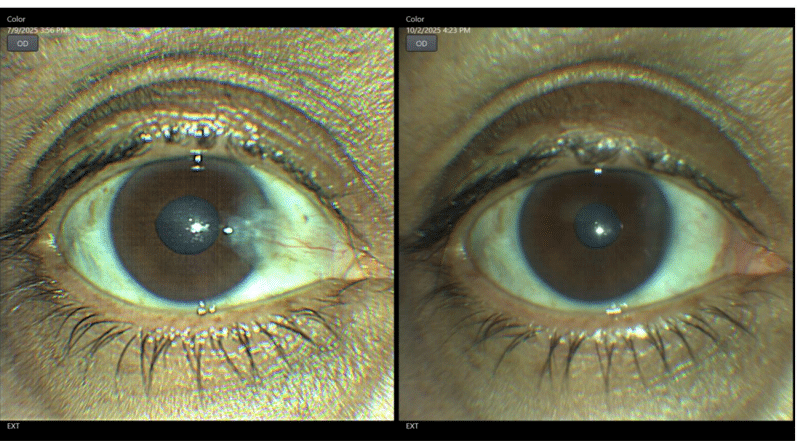
Eye Care of San Diego also maintains before-and-after photographs of Dr. Berkowitz’s pterygium surgery patients, helping individuals understand what the condition looks like before treatment and the improvements that surgery may achieve when medically appropriate.
How Does Photokeratitis Feel?
Symptoms often begin 6 to 12 hours after UV exposure and may include:
- Moderate to severe eye pain
- Excessive tearing
- Extreme light sensitivity
- Blurry vision
- Red eyes
- Swollen eyelids
- Headache
- A gritty sensation, like sand in the eyes
Many patients describe waking up during the night with severe discomfort after spending an entire sunny day outdoors without eye protection.
Fortunately, most cases improve within one to two days with supportive treatment and avoiding additional UV exposure.
How Do Eye Doctors Diagnose These Conditions?
Both pterygium and photokeratitis require a comprehensive eye examination because other eye conditions—including dry eye disease, allergic conjunctivitis, corneal abrasions, and infections—can cause similar symptoms.
At Eye Care of San Diego, your ophthalmologist will evaluate your symptoms and examine the front surface of your eye using specialized instruments.
What Happens During the Examination?
Your visit may include:
- A review of your symptoms and recent UV exposure
- A visual acuity (vision) test
- A slit-lamp examination to closely inspect the cornea and conjunctiva
- Fluorescein dye to identify damage on the corneal surface
- Evaluation of the size and location of a pterygium, if present
The goal is to identify the cause of your symptoms and recommend the most appropriate treatment based on your eye health.
According to the National Eye Institute, prompt evaluation is especially important when eye pain, sudden blurred vision, or light sensitivity develops after UV exposure, since other serious eye conditions can present similarly.
Can Pterygium or Photokeratitis Be Treated?
Yes, but treatment depends on the diagnosis.
How Is Pterygium Treated?
Small pterygia often respond well to conservative care that focuses on reducing irritation and slowing progression.
Treatment may include:
- Artificial tears
- Lubricating eye drops
- Prescription anti-inflammatory eye drops when appropriate
- UV-blocking sunglasses
- Protective eyewear in windy or dusty environments
If the pterygium grows toward the center of the cornea, causes significant irritation, or affects vision, surgery may be recommended.
Eye Care of San Diego offers advanced surgical treatment for patients whose pterygium interferes with daily activities or vision. During consultations, Dr. Carla Berkowitz discusses whether surgery is appropriate based on the size, location, and progression of the growth rather than cosmetic appearance alone.
How Is Photokeratitis Treated?
Photokeratitis usually heals as the cornea repairs itself.
Treatment often includes:
- Resting the eyes
- Staying out of direct sunlight
- Preservative-free artificial tears
- Prescription medications if recommended by your ophthalmologist
- Avoiding contact lenses until the cornea has healed
Never use leftover prescription eye drops or anesthetic drops without medical supervision, as they can delay healing or worsen corneal damage.
When Should You See an Eye Doctor?
Mild eye irritation after spending time outdoors may improve with rest, but certain symptoms deserve prompt medical attention.
Schedule an eye examination if you experience:
- Persistent redness lasting more than one or two days
- Increasing eye pain
- Blurred vision
- A visible growth on the white of the eye
- Frequent irritation while outdoors
- Ongoing dryness despite artificial tears
Seek immediate eye care if you develop:
- Sudden vision loss
- Severe eye pain
- A chemical injury
- A penetrating eye injury
- New flashes of light or numerous floaters
If you’re experiencing these symptoms in Mission Hills, La Jolla, Sorrento Valley, Escondido, or anywhere in the San Diego area, the specialists at Eye Care of San Diego can evaluate your symptoms and recommend appropriate treatment.
How Can You Protect Your Eyes During UV Safety Month?
July is UV Safety Month, making it the perfect reminder to protect your eyes every day—not just during the summer.
Simple habits can significantly reduce your risk of UV-related eye conditions.
- Wear sunglasses that block 100% of UVA and UVB rays.
- Choose wraparound sunglasses for added protection.
- Wear a wide-brimmed hat when outdoors.
- Use protective eyewear while welding or working around UV-producing equipment.
- Stay hydrated and use lubricating eye drops if your eyes become dry.
- Avoid looking directly at the sun.
- Schedule routine comprehensive eye examinations, especially if you spend significant time outdoors.
Remember that UV rays pass through clouds, so eye protection matters year-round—not only on bright, sunny days.
Protect Your Vision with Expert Eye Care in San Diego
Whether you’re spending the day surfing in La Jolla, hiking local trails, golfing, or simply enjoying Southern California’s sunshine, protecting your eyes from UV exposure is one of the easiest ways to preserve your long-term vision.
If you’ve noticed a persistent growth on your eye, recurring irritation, or sudden pain after prolonged sun exposure, the experienced team at Eye Care of San Diego can provide a comprehensive evaluation and recommend the most appropriate treatment based on your needs.
Call (800) 765-2737 to schedule a comprehensive eye examination.
Frequently Asked Questions
Q: Can pterygium go away on its own?
No. A pterygium does not disappear without treatment. Small growths may remain stable for years, while others continue to enlarge. Regular eye examinations help monitor changes and determine whether treatment is necessary.
Q: Is photokeratitis permanent?
Most cases of photokeratitis heal within 24 to 48 hours because the cornea regenerates quickly. However, repeated UV damage can increase the risk of long-term eye problems, making prevention especially important.
Q: Can I wear contact lenses if I have photokeratitis?
No. Contact lenses should not be worn until your eye doctor confirms that the cornea has healed. Wearing lenses too soon can slow recovery and increase the risk of infection.
Q: Does everyone with pterygium need surgery?
No. Many people manage mild pterygium with lubricating eye drops, UV protection, and regular monitoring. Surgery is generally recommended only when the growth affects vision, causes persistent discomfort, or continues to enlarge.
Q: How can I tell if my red eye is from UV exposure or something more serious?
Redness caused by UV exposure often follows prolonged time in the sun and may include pain, tearing, and light sensitivity. Because infections, corneal injuries, glaucoma, and other conditions can produce similar symptoms, a comprehensive eye examination is the safest way to determine the cause.